How Software Updates Are Making Supercars Smarter shines a light on a revolutionary shift in the automotive world, where cutting-edge technology meets luxury performance. As supercars evolve, the integration of software updates is transforming not just speed and handling but also safety and user experience. It’s a dynamic era where the capabilities of these high-performance vehicles can be enhanced significantly long after they roll off the assembly line, thanks to advancements in technology.
Leading manufacturers are now harnessing the power of real-time data analytics and over-the-air updates to refine vehicle performance continuously. Traditional upgrades are no longer the sole means of improvement; instead, software updates provide a seamless and efficient approach to enhancing the driving experience, unlocking new features, and ensuring the vehicle remains at the forefront of automotive innovation.
Overview of Software Updates in Supercars
The integration of software updates in supercars is a revolutionary shift in the automotive industry, enhancing performance and user experience. Unlike traditional vehicles, supercars are increasingly relying on advanced software systems to optimize every aspect of driving, from engine dynamics to infotainment systems.
Key manufacturers like Tesla, Ferrari, and McLaren are leading the charge in software innovation, utilizing technology to continuously improve their vehicles post-purchase. This approach not only enhances vehicle performance but also extends the lifecycle of the car by reducing the need for hardware upgrades. In contrast to traditional vehicle upgrades, which often require physical changes and significant downtime, software updates can be deployed remotely, ensuring that supercar owners can enjoy the latest features without the inconvenience of visiting a dealership.
Benefits of Smart Software in Supercars

The application of smart software in supercars brings numerous advantages, particularly through real-time data analytics. This capability allows manufacturers to fine-tune performance based on driving habits and conditions, ensuring optimal vehicle dynamics at all times.
- Enhanced real-time data analytics helps in optimizing engine performance and fuel efficiency.
- Safety features like automatic emergency braking and adaptive cruise control are improved and updated regularly via software updates.
- Software updates introduce new user interface enhancements, providing a more seamless interaction with onboard systems.
- Over-the-air updates can add new features without the need for physical alterations, enhancing user engagement and satisfaction.
Technology Behind Software Updates
A variety of cutting-edge technologies enable over-the-air (OTA) updates in supercars, transforming how manufacturers manage software deployments. These technologies ensure that vehicles are always equipped with the latest functionalities and performance enhancements.
Cloud computing plays a significant role in managing supercar software updates, allowing manufacturers to securely store and distribute large amounts of data efficiently.
| Technology | Application in Supercars |
|---|---|
| Over-the-Air (OTA) Updates | Enables remote software installations and upgrades. |
| Cloud Computing | Facilitates data storage and management for software updates. |
| Data Analytics | Provides insights for performance tuning and feature development. |
| Machine Learning | Enhances predictive capabilities for vehicle systems. |
Future Trends in Supercar Software
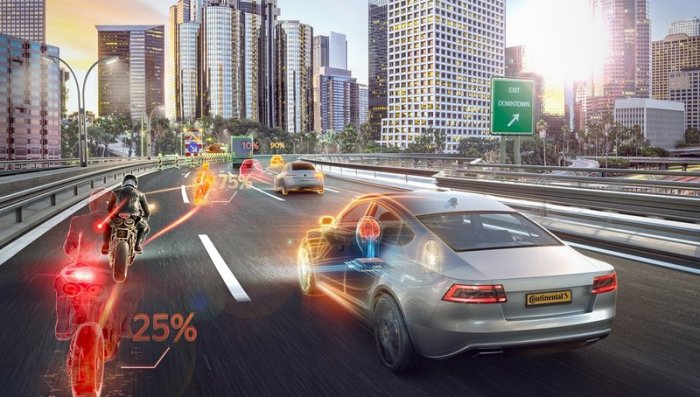
Anticipated advancements in artificial intelligence (AI) integration will greatly influence the future of supercar software. Enhanced AI capabilities are expected to provide more personalized driving experiences, adapting to individual preferences over time. Additionally, the evolution of autonomous features is likely to be accelerated by continuous software updates, expanding the possibilities of self-driving technology.
A timeline showcasing future milestones in supercar software development may include the following expectations:
- 2024: Introduction of more robust AI systems for real-time decision making.
- 2025: Launch of advanced semi-autonomous driving features via software updates.
- 2026: Full integration of augmented reality interfaces in supercar dashboards.
- 2028: Expected milestone in fully autonomous supercars, relying solely on software enhancements.
Challenges in Implementing Software Updates, How Software Updates Are Making Supercars Smarter
While the benefits of software updates are clear, there are also potential challenges that manufacturers face, especially concerning cybersecurity. OTA updates, while convenient, can expose vehicles to hacking attempts if not properly secured.
Common technical issues during software updates can include compatibility problems and system failures, which may affect vehicle operability.
- Establishing robust cybersecurity measures to protect vehicle data during updates.
- Conducting thorough testing before public deployment to mitigate compatibility issues.
- Implementing user-friendly update processes to minimize disruptions during installations.
Customer Experience and Software Updates
User testimonials frequently highlight the positive impact of software updates on driving experiences. Customers often express appreciation for new features and improvements that enhance their vehicles’ performance and usability.
Customer feedback is crucial in shaping future software developments. Manufacturers actively analyze this information to address specific concerns and preferences, tailoring updates to better meet user needs.
Research indicates a significant rise in user satisfaction levels following major software updates, reflecting the effectiveness of these enhancements in improving overall driving experiences.
Regulatory Considerations for Software Updates
The legal implications of software updates are becoming increasingly pertinent in the automotive industry. As supercars rely more on software for critical functionalities, regulations are evolving to ensure safety and compliance.
Regulations are adapting to accommodate the rise of software in supercars, with varying standards across regions that manufacturers must navigate.
| Region | Regulatory Standard |
|---|---|
| North America | National Highway Traffic Safety Administration (NHTSA) guidelines for software safety. |
| Europe | European Union regulations on vehicle cybersecurity and data protection. |
| Asia | Various national standards focusing on software reliability and safety. |
Final Wrap-Up: How Software Updates Are Making Supercars Smarter

In conclusion, the landscape of supercars is being forever altered by the advent of software updates, which promise not only to enhance performance but also to redefine driver engagement and safety. As we look to the future, the potential for AI integration and the development of autonomous features through these updates opens up exciting possibilities. Although challenges such as cybersecurity and technical issues remain, the benefits far outweigh the risks, heralding a new era of smarter, safer supercars.