Are Electric Supercars the Future of Speed? This question is at the forefront of automotive innovation as electric supercars emerge as formidable competitors to traditional combustion-engine vehicles. The shift from gas to electric powertrains has not only transformed the supercar landscape but has sparked an exhilarating evolution in performance and sustainability. With advancements in technology and a growing consumer interest, electric supercars are poised to redefine speed and redefine what we know about high-performance vehicles.
The rise of electric supercars marks a significant turning point in the automotive industry, combining cutting-edge technology with the thrill of speed. As manufacturers unveil models that excel in acceleration and efficiency, it’s clear that the future of supercars is electric. The world is witnessing a shift where traditional metrics of performance are being redefined, and consumers are increasingly drawn to the promise of sustainable speed.
Introduction to Electric Supercars
Electric supercars represent a groundbreaking shift in the automotive industry, combining the allure of high-performance vehicles with the benefits of electric powertrains. As the world moves toward sustainability, these vehicles are not just about speed; they embody a new era of automotive innovation. The evolution from traditional combustion engines to electric powertrains has transformed the supercar landscape, making it more accessible and appealing to a broader audience.
The transition to electric supercars has been spurred by changing consumer interests and market trends. With increasing awareness of environmental issues and the demand for sustainable alternatives, manufacturers are responding by developing electric models that maintain the thrilling performance associated with supercars. This evolution indicates a significant shift in automotive culture, where electric performance no longer takes a back seat to traditional gas-powered engines.
Performance Comparison
When comparing electric supercars to their traditional counterparts, performance metrics reveal distinct advantages. Electric supercars often exhibit superior acceleration capabilities, with many models achieving 0 to 60 mph in under three seconds. This rapid acceleration challenges existing speed records and redefines performance benchmarks in the supercar segment.
Notable electric supercars, such as the Rimac C_Two and the Tesla Roadster, showcase impressive performance statistics. The Rimac C_Two, for instance, boasts a staggering 1,914 horsepower and a top speed of 258 mph. Similarly, the Tesla Roadster aims for a peak speed of 250 mph, with an acceleration of 0 to 60 mph in just 1.9 seconds. These figures underscore the competitive prowess of electric supercars in a market traditionally dominated by combustion engine vehicles.
Technological Advancements, Are Electric Supercars the Future of Speed?
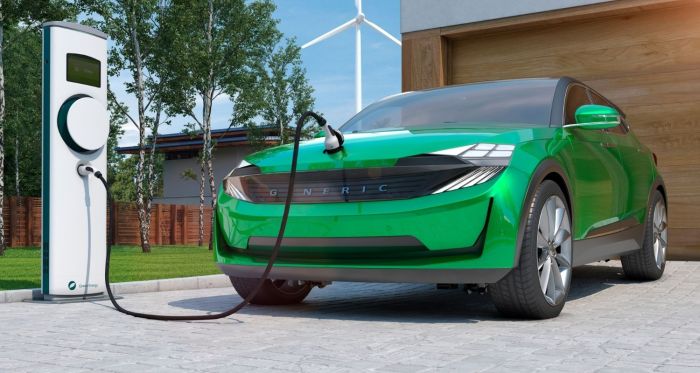
Key technologies are essential in facilitating high-speed performance in electric supercars. Innovations in battery technology, such as improved energy density and faster charging capabilities, have played a significant role. Higher energy density allows for lighter batteries, enhancing the overall performance and efficiency of the vehicle.
Furthermore, advancements in aerodynamics and design specifically tailored for electric vehicles have resulted in more efficient shapes that reduce drag. Features like active aerodynamics adjust during high speeds to optimize performance, contributing to both speed and stability. Together, these technological advancements reshape the potential of supercars in the electric era.
Environmental Impact
Electric supercars offer notable environmental benefits when compared to gas-powered alternatives. They contribute to emissions reductions significantly, aligning with global sustainability efforts. Data indicates that electric vehicles can decrease greenhouse gas emissions by up to 50% over their lifespans, particularly when charged using renewable energy sources.
Sustainability efforts within the electric supercar sector also focus on responsible manufacturing processes. These manufacturers are beginning to adopt methods that minimize the ecological footprint of production, from sourcing materials to recycling batteries at the end of their life. This lifecycle impact is crucial in evaluating the overall environmental benefits of electric supercars versus traditional gas-powered vehicles.
Market Trends and Consumer Preferences
Current market trends indicate a growing acceptance and adoption of electric supercars. Consumer preferences are shifting toward vehicles that not only promise thrilling performance but also adhere to principles of sustainability and cutting-edge technology. This shift is reflected in sales data, showing a steady increase in the market share of electric supercars over recent years.
The demand for electric models is not just driven by performance metrics; consumers are increasingly prioritizing sustainability in their purchasing decisions. According to recent reports, the overall sales of electric vehicles have surged, with electric supercars capturing a significant portion of this market. As consumer preferences evolve, manufacturers are channeling their efforts into meeting these new demands, further shaping the future of the automotive industry.
Challenges and Limitations
Despite the advancements, the electric supercar market faces several challenges. One prominent issue is battery range, which can limit performance during longer durations or track events. Additionally, the availability of charging infrastructure remains spotty in many regions, creating hurdles for potential buyers.
Electric supercars also encounter limitations in performance under extreme conditions. Factors such as battery temperature management and weight distribution can affect handling and speed, particularly in high-stress scenarios. Manufacturers are actively addressing these challenges by developing innovative cooling systems and enhancing the overall design and engineering of their vehicles.
Future Outlook
The future of electric supercars appears bright, with predictions suggesting they will play a pivotal role in the automotive landscape. As technology continues to advance, enhancements in battery efficiency, charging speed, and overall vehicle design are anticipated. These improvements could lead to electric supercars achieving even higher performance metrics and broader market acceptance.
A timeline of expected milestones in electric supercar development over the next decade includes advancements in solid-state battery technology, increasing production capabilities, and expanded charging networks. These developments will not only enhance performance but also solidify the position of electric supercars as a legitimate alternative to traditional high-performance vehicles, paving the way for a new era in automotive excellence.
Final Thoughts: Are Electric Supercars The Future Of Speed?

The discussion surrounding electric supercars highlights not only their impressive capabilities but also the evolving preferences of consumers who prioritize both performance and environmental impact. As technological advancements continue to surge, these vehicles are not just a trend but a glimpse into an electrifying future where speed and sustainability coexist. Looking ahead, it’s evident that electric supercars will play a pivotal role in shaping the future of the automotive industry, pushing boundaries and setting new standards for what supercars can achieve.