The Global Supercar Market Outlook for 2025 presents a fascinating glimpse into a dynamic industry that continues to evolve at an unprecedented pace. As we approach 2025, the supercar market is positioned at the intersection of luxury, technology, and consumer demand, reflecting broader trends in global economics and automotive innovation. With key players vying for dominance and shifting consumer preferences shaping the landscape, understanding the current state and future trajectory of this market is vital for stakeholders.
This outlook delves into the major forces at play, including technological advancements, economic factors, and regulatory environments that are influencing the supercar segment. As luxury lifestyle trends intertwine with emerging technologies, the report sheds light on how brands are adapting to meet the desires of a new generation of supercar enthusiasts.
Market Overview
The global supercar market is poised for significant growth as we approach 2025, driven by a perfect blend of consumer demand and technological advancements. With luxury spending on the rise, more affluent buyers are entering the supercar segment, leading to a competitive landscape. Major players such as Ferrari, Lamborghini, and McLaren dominate the market, capturing a substantial market share, while newer entrants like Rimac and Pininfarina are also making their mark. Key trends, including sustainability and advanced technology integration, are shaping the future of supercars, leading to innovative designs and features.
Major Players and Market Share
The supercar industry is characterized by several key manufacturers who play critical roles in driving market dynamics. The leading brands include:
- Ferrari: Renowned for its iconic models, Ferrari holds a significant share of the luxury market and is synonymous with high performance and exclusivity.
- Lamborghini: Known for its bold designs and powerful engines, Lamborghini appeals to a younger demographic of supercar enthusiasts.
- McLaren: A pioneer in technology and engineering, McLaren continues to innovate with its hybrid offerings.
- Porsche: While traditionally known for sports cars, Porsche’s entry into the supercar realm with models like the 918 Spyder has reshaped market perceptions.
- Rimac: This Croatian manufacturer is making waves with its all-electric supercars, appealing to the environmentally conscious consumer.
Trends Influencing Growth
Several trends are currently influencing the supercar market:
- Electrification: As the automotive industry shifts towards electric vehicles, supercar manufacturers are increasingly integrating hybrid and fully electric powertrains.
- Customization: Consumers are increasingly seeking personalized options, driving brands to offer bespoke services for interiors and performance upgrades.
- Investment in Technology: Cutting-edge technology, including advanced driver-assistance systems and connectivity features, is becoming standard in new supercar models.
Consumer Trends
Understanding consumer preferences and behaviors is pivotal in the supercar segment. The affluent buyer profile is evolving, with younger generations showing a keen interest in owning high-performance vehicles. Luxury lifestyle trends also play a crucial role in supercar sales, as ownership often symbolizes status and success.
Consumer Preferences and Buying Behaviors
The preferences of supercar consumers are increasingly shaped by lifestyle choices. Key insights include:
- Experience Over Ownership: Many consumers are opting for experiences such as driving events or rentals over outright ownership.
- Brand Loyalty: Established brands with a rich heritage continue to attract buyers, though newcomers are gaining attention through innovation.
- Online Research: Consumers heavily rely on digital channels for research and purchasing decisions, reflecting the importance of an online presence.
Impact of Luxury Lifestyle Trends
Luxury lifestyle trends significantly affect supercar sales:
- Luxury Travel: The rise in luxury travel experiences often correlates with an increase in supercar purchases among wealthy clientele.
- Social Media Influence: Influencers and celebrities showcase supercars on platforms like Instagram, impacting consumer interest and desirability.
- Environmental Concerns: As sustainability becomes more crucial, consumers are gravitating towards brands that prioritize eco-friendly technologies.
Generational Shifts in Ownership
Generational shifts are notable in the supercar market:
- Millennials and Gen Z: These younger buyers prioritize technology and sustainability, driving demand for electric supercars.
- Changing Values: Unlike previous generations, younger consumers value experiences and brand authenticity over traditional ownership.
Technological Advancements
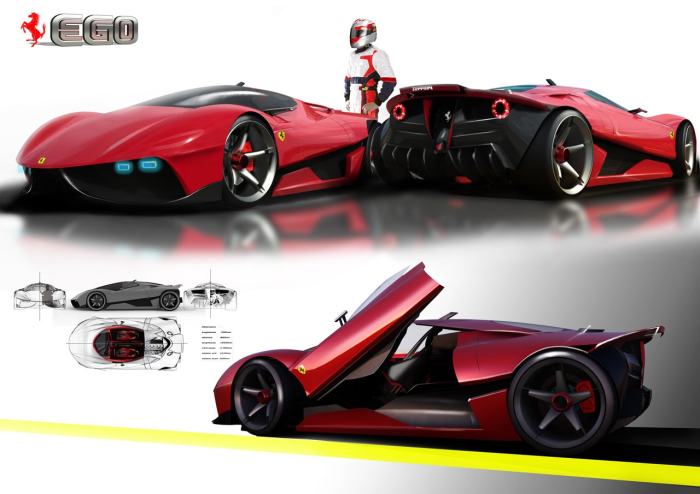
The supercar market is undergoing a technological revolution, with innovations continually reshaping performance and sustainability.
Emerging Technologies
Several emerging technologies are making a significant impact on the supercar market:
- Electric Powertrains: Leading manufacturers are introducing electric and hybrid models that blend performance with lower emissions.
- Advanced Aerodynamics: Innovations in aerodynamic design enhance performance and handling, making supercars faster and more efficient.
- Smart Connectivity: Integration of IoT technologies allows for real-time data analytics and connectivity, improving the overall driving experience.
Role of Electric and Hybrid Vehicles
Electric and hybrid vehicles are becoming increasingly relevant in the supercar segment:
- Performance Benefits: Electric motors provide instant torque and acceleration, enhancing the driving experience.
- Market Demand: Consumer interest in sustainable vehicles is pushing brands to expand their electric and hybrid offerings.
- Regulatory Compliance: Stricter emissions regulations are encouraging manufacturers to invest in greener technologies.
Advancements in Materials and Manufacturing
Innovative materials and manufacturing processes are key to improving performance:
- Carbon Fiber: The use of lightweight carbon fiber in supercars enhances speed and fuel efficiency.
- 3D Printing: This technology allows for rapid prototyping and customization, reducing production time and costs.
Economic Factors
Global economic conditions play a crucial role in shaping the supercar market, influencing everything from pricing to consumer sentiment.
Impact of Global Economic Conditions
Economic factors that affect the supercar market include:
- Consumer Confidence: Higher consumer confidence typically correlates with increased luxury spending, boosting supercar sales.
- Affluence Growth: Emerging markets are producing more wealthy individuals, expanding the potential customer base for supercar manufacturers.
Currency Fluctuations
Currency fluctuations can have a substantial impact on pricing and sales:
- Pricing Variability: Supercars are often sold internationally, making them vulnerable to currency exchange rate changes.
- Competitive Pricing: Fluctuating currencies can affect competitiveness in international markets, prompting manufacturers to adjust pricing strategies.
Role of Trade Agreements and Tariffs, The Global Supercar Market Outlook for 2025
Trade agreements and tariffs influence the supercar industry:
- Market Access: Favorable trade agreements open new markets for supercar manufacturers, increasing potential sales.
- Tariff Implications: Tariffs on imported vehicles can raise prices and affect demand in key markets.
Regulatory Environment
The regulatory framework governing the supercar industry is evolving, presenting challenges and opportunities for manufacturers.
Current Regulations Affecting Production and Sales
Regulations play a significant role in shaping the supercar market:
- Safety Standards: Compliance with stringent safety regulations is critical for manufacturers to ensure consumer safety and marketability.
- Emission Norms: Regulations on emissions are driving manufacturers towards cleaner technologies.
Impact of Environmental Regulations
Environmental regulations are shaping manufacturing practices:
- Sustainability Initiatives: Manufacturers are investing in sustainable practices to meet regulatory expectations and consumer demands.
- Research and Development: Compliance with stricter regulations necessitates increased R&D in eco-friendly technologies.
Future of Autonomous Driving Laws
The future of autonomous driving laws is a critical consideration:
- Regulatory Development: As autonomous technology advances, regulatory frameworks will need to adapt to ensure safety and efficacy.
- Market Potential: The integration of autonomous features could redefine the supercar experience, appealing to tech-savvy consumers.
Regional Markets: The Global Supercar Market Outlook For 2025
The supercar market is influenced by regional preferences and economic conditions, leading to varied growth potential across different areas.
North America vs. Europe Outlook
The outlook for the supercar market varies significantly between North America and Europe:
- North America: The U.S. remains a strong market due to high disposable incomes and a passion for performance vehicles.
- Europe: Home to many supercar manufacturers, Europe has a rich automotive culture and a robust market for luxury vehicles.
Growth Potential in Asia-Pacific
The Asia-Pacific region presents a growing opportunity for supercar manufacturers:
- Emerging Affluence: Rapid economic growth is creating a new class of wealthy consumers eager for luxury products.
- Interest in Performance Vehicles: As automotive enthusiasts in Asia-Pacific grow, so does the demand for high-performance supercars.
Regional Preferences
Regional preferences significantly influence model offerings:
- Design Preferences: Different markets may prefer specific designs, colors, and features based on cultural tastes.
- Performance Expectations: Variations in driving conditions can impact the types of performance features that consumers prioritize.
Future Predictions
As we look toward 2025, the supercar market is expected to evolve significantly, influenced by various factors.
Forecast of Supercar Sales Volume
Sales projections for supercars through 2025 indicate strong growth:
- Continued Demand: With increasing wealth and consumer interest, supercar sales are predicted to rise, potentially reaching over 30,000 units annually.
- Market Expansion: New models and innovative technologies are expected to attract a broader audience, contributing to sales growth.
Potential Disruptors
Several potential disruptors could impact the supercar market:
- Economic Downturns: Any significant economic downturn could affect luxury spending, leading to reduced sales.
- Technological Innovations: Rapid technological advancements may shift consumer preferences towards alternative vehicles.
Adapting to Consumer Demands
Luxury brands are likely to adapt to changing consumer demands by 2025:
- Increased Customization: Brands will offer more bespoke options to cater to individual preferences.
- Sustainability Focus: An emphasis on environmentally friendly practices will become more prevalent as consumer awareness grows.
Marketing Strategies
Effective marketing strategies play a crucial role in the success of supercar brands, especially in an increasingly competitive landscape.
Effective Marketing Strategies
Successful marketing strategies in the supercar industry include:
- Experiential Marketing: Brands focus on providing immersive experiences, allowing potential buyers to engage with the product.
- Exclusive Events: Hosting private events for VIP customers creates a sense of belonging and loyalty among buyers.
Role of Social Media and Influencers
Social media and influencers are reshaping how supercars are marketed:
- Visual Storytelling: Brands leverage platforms like Instagram to share visually appealing content that resonates with luxury consumers.
- Influencer Partnerships: Collaborations with automotive influencers help to reach niche audiences and build credibility.
Digital Marketing Tactics
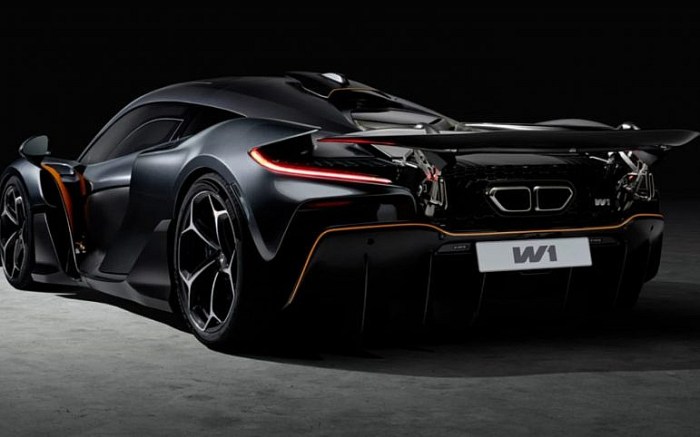
Digital marketing tactics that resonate with luxury consumers include:
- Targeted Advertising: Brands utilize data analytics to create highly targeted ad campaigns that reach specific consumer demographics.
- Content Marketing: Creating valuable content that informs and engages consumers is critical in positioning brands as industry leaders.
Epilogue
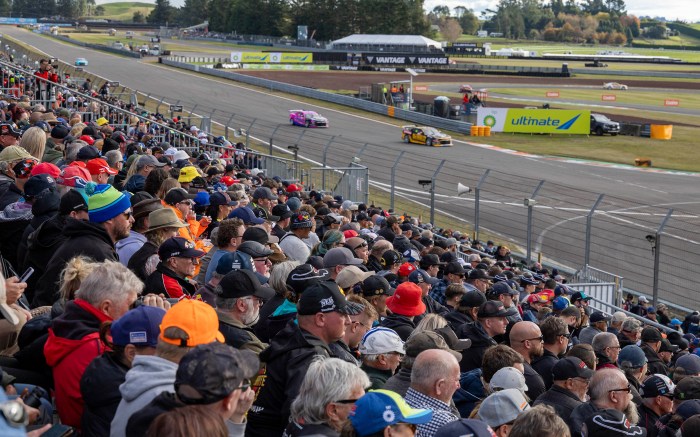
In conclusion, the Global Supercar Market Outlook for 2025 reveals a sector poised for transformative growth driven by innovation, economic shifts, and evolving consumer preferences. As manufacturers adapt to regulatory changes and seek to leverage new technologies, the market is likely to witness both challenges and exciting opportunities. Stakeholders must remain vigilant and adaptable, ensuring they are well-positioned in a competitive landscape that promises to redefine luxury motoring.