Fastest Supercars in the World (2025 Update) takes you on an exhilarating journey through the realm of high-performance automobiles, showcasing the pinnacle of speed and engineering excellence. As supercars evolve, the race to claim the title of the fastest continues to captivate car enthusiasts and casual fans alike. This exploration reveals not only the current speed champions but also the technological advancements that propel these machines into a league of their own.
From cutting-edge aerodynamics to state-of-the-art engine innovations, the landscape of supercars is rapidly changing. With each model that rolls off the production line, manufacturers are pushing the boundaries of what is possible, delivering vehicles that not only perform at astonishing speeds but also embody the future of automotive design and technology.
Overview of Fastest Supercars: Fastest Supercars In The World (2025 Update)
The evolution of supercars has been remarkable, with advancements over the decades leading to increasingly powerful and faster vehicles. As we approach 2025, the landscape of supercars has undergone significant changes, driven by both technological innovations and fierce competition among manufacturers. Today’s fastest supercars not only push the limits of speed but also integrate cutting-edge technology to enhance performance and efficiency.
The current crop of supercars includes models that achieve astounding top speeds, often exceeding 300 miles per hour. Leading the pack are manufacturers like Bugatti, Koenigsegg, and Rimac, each aiming to set new records and redefine what performance means in the automotive world. Key technologies such as hybrid powertrains, advanced aerodynamics, and lightweight materials have played pivotal roles in enhancing these vehicles’ capabilities.
Top Fastest Supercars of 2025
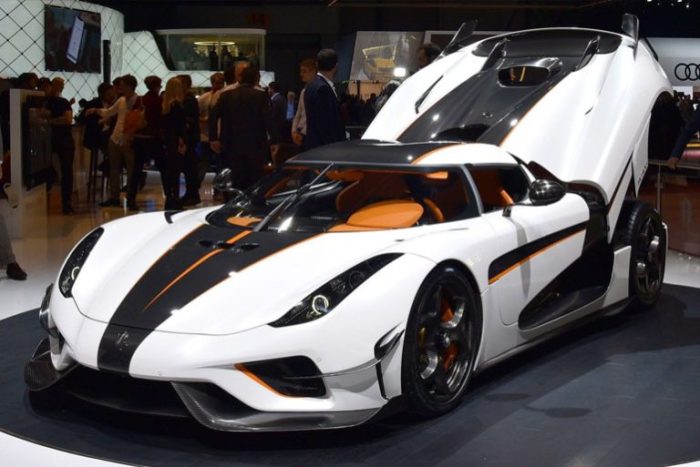
The race for the title of fastest supercar has never been more competitive, with numerous manufacturers vying for supremacy. Below is a list of the top 10 fastest supercars of 2025, showcasing their impressive specifications.
- Bugatti Chiron Super Sport 300+
- Top Speed: 304 mph
- Acceleration (0-60 mph): 2.4 seconds
- Horsepower: 1,577 hp
- Weight: 4,400 lbs
- Koenigsegg Jesko Absolut
- Top Speed: 330 mph
- Acceleration (0-60 mph): 2.5 seconds
- Horsepower: 1,600 hp
- Weight: 2,834 lbs
- SSC Tuatara
- Top Speed: 282.9 mph
- Acceleration (0-60 mph): 2.5 seconds
- Horsepower: 1,750 hp
- Weight: 2,750 lbs
- Rimac C_Two
- Top Speed: 258 mph
- Acceleration (0-60 mph): 1.85 seconds
- Horsepower: 1,914 hp
- Weight: 4,400 lbs
- Aston Martin Valkyrie
- Top Speed: 250 mph
- Acceleration (0-60 mph): 2.5 seconds
- Horsepower: 1,160 hp
- Weight: 3,300 lbs
- Porsche 918 Spyder
- Top Speed: 214 mph
- Acceleration (0-60 mph): 2.5 seconds
- Horsepower: 887 hp
- Weight: 3,715 lbs
- Ferrari SF90 Stradale
- Top Speed: 211 mph
- Acceleration (0-60 mph): 2.5 seconds
- Horsepower: 986 hp
- Weight: 3,461 lbs
- Mclaren Speedtail
- Top Speed: 250 mph
- Acceleration (0-60 mph): 2.9 seconds
- Horsepower: 1,036 hp
- Weight: 3,500 lbs
- Lotus Evija
- Top Speed: 200 mph
- Acceleration (0-60 mph): 3.0 seconds
- Horsepower: 2,000 hp
- Weight: 3,700 lbs
Key Technologies Fueling Speed
Aerodynamics plays a crucial role in supercar design, significantly influencing speed and stability. Manufacturers are increasingly focused on creating shapes and features that minimize drag, such as active aerodynamics that adjust based on speed and conditions. This design approach helps enhance performance, especially at high speeds.
Engine technology has also evolved, with many supercars now utilizing hybrid powertrains that combine traditional combustion engines with electric motors. This synergy provides exceptional horsepower while improving fuel efficiency. Additionally, advancements in turbocharging and direct fuel injection have allowed manufacturers to extract more power from smaller engines without compromising performance.
Materials used in supercar production have seen significant advancements as well. Lightweight composites, such as carbon fiber, are now commonplace, allowing manufacturers to reduce vehicle weight while maintaining structural integrity. These innovations enhance speed, handling, and overall performance, leading to more exhilarating driving experiences.
Manufacturer Innovations
Several major manufacturers are at the forefront of supercar production, each contributing unique innovations that enhance speed and performance. Bugatti continues to lead with its W16 engine, pushing the boundaries of horsepower and speed.
Koenigsegg is known for its cutting-edge technology, such as the Freevalve system, which allows for greater engine efficiency and performance. Similarly, Rimac is transforming the supercar landscape with its electric drivetrain technology, demonstrating the potential for electric vehicles to outperform traditional combustion engines.
Collaborations between car manufacturers and technology companies have become increasingly common, leading to groundbreaking advancements. For example, partnerships with tech giants have enabled supercar manufacturers to integrate sophisticated software for better performance analytics and enhanced driving experiences.
Future Trends in Supercar Design
As we look ahead, several trends are poised to shape the future of supercar design and technology. One significant trend is the increasing shift toward electric and hybrid supercars, which promise to redefine speed records. With faster charging times and advancements in battery technology, electric supercars are set to become more accessible and competitive.
The following table compares traditional supercars with their electric counterparts in terms of speed capabilities and performance metrics:
| Feature | Traditional Supercars | Electric Supercars |
|---|---|---|
| Top Speed | 300+ mph | 250+ mph |
| Acceleration (0-60 mph) | Under 3 seconds | Under 2 seconds |
| Horsepower | 1,000+ hp | 1,500+ hp |
| Weight | 3,000 – 4,500 lbs | 3,500 – 4,500 lbs |
Cultural Impact of Supercars
Supercars have a profound influence on automotive culture and lifestyle, often seen as symbols of wealth and status. Their allure is amplified by their frequent appearances in media, including films, video games, and advertisements, where they are portrayed as the epitome of speed and luxury.
The economic impact of supercar sales is significant, contributing to the overall health of the automotive industry. High-end manufacturers not only boost local economies through production and sales but also cultivate a dedicated enthusiast community that engages with their brands at events, shows, and online platforms.
Safety and Regulations, Fastest Supercars in the World (2025 Update)

Modern supercars are equipped with a plethora of safety features designed to protect drivers and passengers. These include advanced airbag systems, traction control, and stability management systems. Manufacturers prioritize safety in design, ensuring that performance does not come at the expense of driver security.
Regulations also play a crucial role in shaping supercar performance and design. Emission standards, crash test requirements, and safety regulations vary across regions, influencing how manufacturers develop their vehicles to comply while still achieving high performance.
The Enthusiast Community
The supercar enthusiast community is vibrant and diverse, with numerous clubs and groups dedicated to sharing their passion for these incredible machines. Events such as car shows, track days, and charity drives foster engagement among enthusiasts and allow them to showcase their vehicles.
Social media has transformed how supercar culture is promoted and shared. Platforms like Instagram and YouTube provide enthusiasts a space to share their experiences, build networks, and stay updated on the latest news and trends in the supercar world.
Collectibility and Investment
Several factors contribute to a supercar’s collectibility, including rarity, brand heritage, and performance. Limited editions and models with historical significance are often viewed as highly desirable investments. Many collectors see supercars not just as vehicles but as assets that appreciate over time.
The investment potential of owning a supercar can be significant, with some models fetching millions at auction. The following table compares historical auction prices of various supercars, highlighting their investment potential:
| Model | Auction Price | Year |
|---|---|---|
| Ferrari 250 GTO | $48 million | 1962 |
| Bugatti Type 57SC Atalante | $10.3 million | 1937 |
| Porsche 917 | $14 million | 1970 |
| Lamborghini Miura | $3.5 million | 1966 |
Epilogue
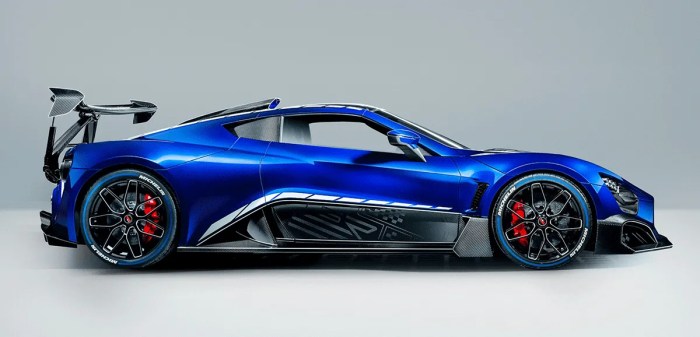
In summary, the world of supercars in 2025 is marked by remarkable innovations and fierce competition. As manufacturers continue to unveil their latest models, the combination of speed, technology, and design captivates the automotive community and sets the stage for future trends. Whether you are a collector, an enthusiast, or simply an admirer of engineering marvels, the fastest supercars not only represent the pinnacle of performance but also inspire an ongoing dialogue about the future of high-speed driving.