The Difference Between Supercars, Hypercars, and Sports Cars – The Difference Between Supercars Hypercars and Sports Cars is a fascinating exploration into the world of high-performance vehicles that captivates enthusiasts and drivers alike. Each category represents a unique blend of speed, design, and innovation, appealing to diverse preferences and lifestyles. From the raw power of supercars to the cutting-edge technology of hypercars and the agile performance of sports cars, understanding these distinctions helps car lovers appreciate the artistry behind each vehicle.
Through examining the definitions, performance metrics, design philosophies, and market positions, we unveil the intricacies that separate supercars, hypercars, and sports cars. Join us as we delve into their historical context, cultural impact, and future trends, revealing how each category continues to evolve and innovate.
The Difference Between Supercars, Hypercars, and Sports Cars
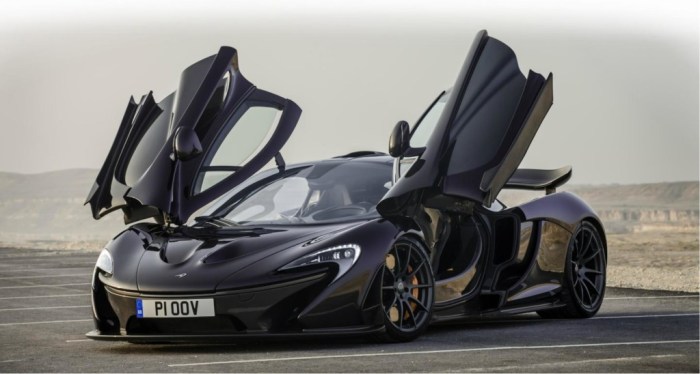
The automotive world is filled with a variety of vehicles, each designed for different purposes, audiences, and performance levels. Among these, supercars, hypercars, and sports cars stand out as symbols of speed, luxury, and engineering excellence. Understanding the distinctions between these categories can help enthusiasts and potential buyers alike to make informed decisions. In this article, we will delve into the definitions, performance metrics, design philosophies, and more, to clarify what truly sets these vehicles apart.
Definition of Supercars, Hypercars, and Sports Cars
Supercars, hypercars, and sports cars are all high-performance vehicles, yet they differ significantly in their definitions and characteristics.
– Supercars are typically defined as high-performance luxury sports cars that are not only fast but also offer superior handling, technology, and aesthetics. These vehicles often feature powerful engines and advanced materials to achieve exceptional performance.
– Hypercars take the concept of supercars further, embodying the pinnacle of automotive engineering. These vehicles often feature cutting-edge technology, hybrid or fully electric powertrains, and performance metrics that surpass traditional supercars.
– Sports Cars are generally more accessible than supercars and hypercars, focusing on a balance of performance and drivability. They are designed for a wider audience and can be used in everyday driving while still offering an exhilarating experience.
Here is a comparison table highlighting the main features of each type of vehicle:
| Category | Performance | Price Range | Engine Type |
|---|---|---|---|
| Supercars | 200+ mph | $200,000 – $1 million | V8, V10, V12 |
| Hypercars | 250+ mph | $1 million – $3 million+ | Hybrid, Electric |
| Sports Cars | 150 – 200 mph | $30,000 – $200,000 | 4-cylinder, V6 |
Performance Metrics
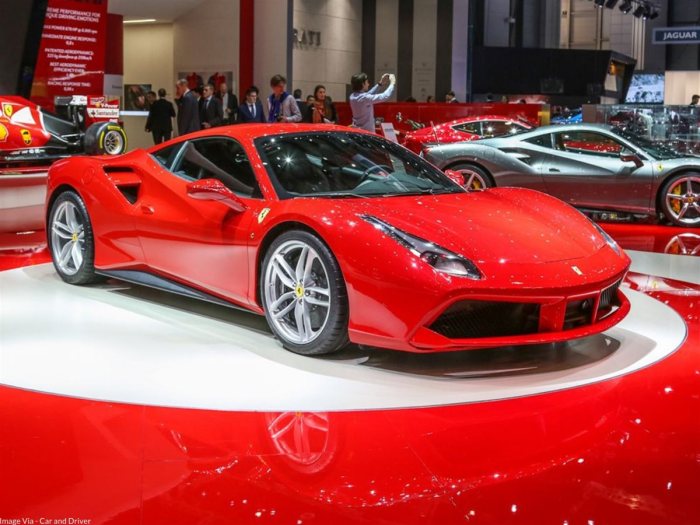
The performance metrics of supercars, hypercars, and sports cars serve as a clear differentiator among these categories. Speed, horsepower, and torque are key figures that showcase the capabilities of each type.
– Supercars typically boast horsepower ratings in the range of 500 to 800 hp, with torque reaching similar figures, allowing for impressive acceleration.
– Hypercars often exceed 1,000 hp and utilize advanced aerodynamics and lightweight materials to achieve astonishing speeds and handling not seen in supercars.
– Sports Cars provide a more approachable performance level, generally offering between 150 to 400 hp, which is suitable for both spirited driving and daily use.
Notable examples based on performance figures include:
- Supercar: McLaren 720S – 710 hp, 0-60 mph in 2.7 seconds
- Hypercar: Bugatti Chiron – 1,479 hp, top speed of 261 mph
- Sports Car: Porsche 911 Carrera – 379 hp, 0-60 mph in 4.0 seconds
Design and Engineering
The design philosophies behind supercars, hypercars, and sports cars are a crucial aspect of their identity. Each category emphasizes not only performance but also aesthetic appeal.
– Supercars are designed with aerodynamics in mind, featuring sleek lines and aggressive styling that contributes to their high-speed performance.
– Hypercars often integrate advanced engineering techniques, including active aerodynamics and lightweight composite materials to maximize performance while maintaining visual appeal.
– Sports Cars balance form and function, often prioritizing user-friendliness and everyday practicality alongside spirited performance.
The materials commonly used in the construction of these vehicles can vary significantly. Here is a table that Artikels these materials:
| Category | Common Materials |
|---|---|
| Supercars | Aluminum, Carbon Fiber |
| Hypercars | Carbon Fiber, Titanium |
| Sports Cars | Steel, Aluminum |
Price Range and Market Position
The price ranges associated with supercars, hypercars, and sports cars reflect their market positioning and exclusivity.
– Supercars generally range from $200,000 to $1 million, appealing to affluent buyers looking for high performance without the hyper-exclusive price tag of hypercars.
– Hypercars command prices often exceeding $1 million, reflecting their limited production, advanced technology, and performance capabilities.
– Sports Cars are typically more accessible, with prices ranging from $30,000 to $200,000, making them attractive to a broader market segment.
Key market trends affecting desirability and sales include:
- Increased interest in electric hypercars, such as the Rimac C_Two.
- Growing demand for high-performance vehicles among millennials.
- Investment in advanced technology to improve safety and performance in all categories.
Technology and Innovation
Technological advancements play a pivotal role in distinguishing supercars and hypercars from traditional sports cars.
– Supercars often feature advanced infotainment systems, driver assistance technologies, and performance enhancements such as adaptive suspensions.
– Hypercars push the boundaries with hybrid powertrains, regenerative braking systems, and active aerodynamics that adapt in real-time to driving conditions.
– Sports Cars focus more on reliability and driving enjoyment, incorporating technology that enhances the overall driving experience but at a less extreme level.
A comparison table of technological features unique to each category is as follows:
| Category | Key Technologies |
|---|---|
| Supercars | Active Suspension, Advanced Infotainment |
| Hypercars | Hybrid Powertrains, Regenerative Braking |
| Sports Cars | Basic Infotainment, Mechanical Enhancements |
Historical Context and Evolution
The evolution of supercars, hypercars, and sports cars is a fascinating journey through automotive history.
– Early examples of sports cars can be traced back to the 1950s, with models like the Jaguar XK120 setting the tone for performance-focused vehicles.
– The term “supercar” gained prominence in the 1970s with the introduction of the Lamborghini Countach, which represented a significant leap in design and performance.
– The hypercar segment emerged in the early 2000s with vehicles like the Bugatti Veyron, showcasing unprecedented engineering and speed.
A timeline of significant milestones in the development of these vehicles includes:
- 1950s: Emergence of performance-focused sports cars.
- 1974: Launch of the Lamborghini Countach, defining the supercar persona.
- 2005: Introduction of the Bugatti Veyron, marking the dawn of the hypercar era.
Cultural Impact and Lifestyle, The Difference Between Supercars, Hypercars, and Sports Cars
Supercars, hypercars, and sports cars hold significant cultural value, often representing luxury, success, and technological prowess.
– Ownership of these vehicles can elevate social status, with many owners becoming part of exclusive clubs and events.
– Media representations, such as in films like “Fast & Furious” or video games like “Gran Turismo,” have further solidified the allure surrounding these vehicles.
Examples of media representations include:
- Movies: “Need for Speed” featuring various supercars.
- Video Games: “Forza Horizon” showcasing hypercars in an open-world environment.
Future Trends in Automotive Performance
As the automotive landscape evolves, several future trends are likely to influence the development of supercars, hypercars, and sports cars.
– Shifts towards electric and hybrid technology are becoming more pronounced, with manufacturers investing heavily in sustainable performance vehicles.
– Advancements in autonomous driving technologies may also reshape how these vehicles are designed and used, focusing on enhancing the driving experience while maintaining high performance.
Emerging technologies that may shape the future of high-performance vehicles include:
- Solid-state battery technology for improved performance and range.
- Advanced driver-assistance systems (ADAS) for enhanced safety.
- 3D printing technologies to reduce production costs and improve customization.
Summary: The Difference Between Supercars, Hypercars, And Sports Cars

In summary, the journey through The Difference Between Supercars Hypercars and Sports Cars highlights the remarkable features that define each vehicle class. As we look ahead, the automotive landscape is poised for exciting advancements that will further refine performance, technology, and design. Whether you’re a passionate collector or simply an admirer, understanding these differences enriches your appreciation for these extraordinary machines.